

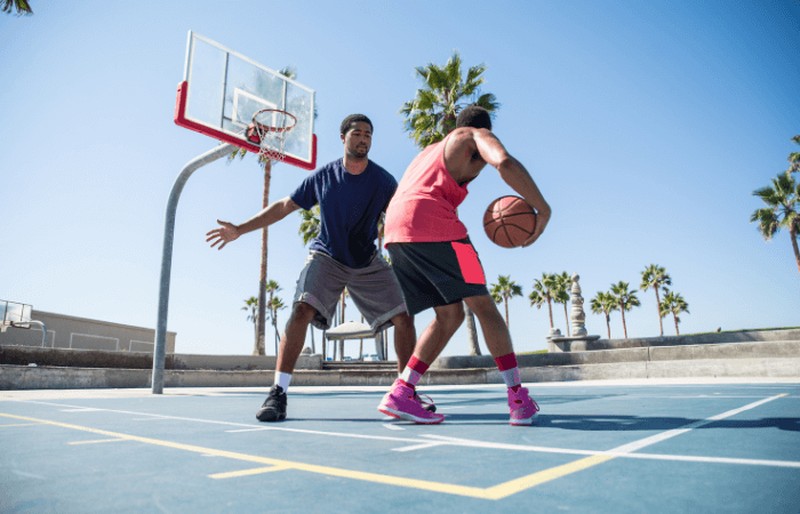
Choose private basketball training sessions if your Knoxville athlete needs precise mechanical fixes, faster pick-up, tighter deceleration, and measurable gains (shot quality, true shooting, turnovers under pressure). Go group when you want game-speed decisions, spacing, and timing sharpened through live contests and small-sided games. Match the plan to age, skill, and learning style, and adjust focus in-season (sharpen/recover) vs. off-season (load/volume). Balance the budget and schedule while tracking KPIs weekly. Keep going to see how to tailor the mix for maximum impact.
What Private Training Offers Knoxville Players
While team practices build chemistry, private basketball training gives Knoxville players targeted reps and measurable gains. You get one one-on-one coaching that isolates mechanics, trims inefficiencies, and accelerates change. With personalized feedback tied to shot charts, time-to-release, and footwork metrics, you can correct errors in real-time, not weeks later. Sessions prioritize high-value skills—pick-up speed, deceleration control, contact finishes, and pick-and-roll reads—sequenced to your role and season timeline. You’ll track KPIs like true shooting, turnover rate under pressure, and paint touches per minute. The result: sharper decision cycles, cleaner biomechanics, and repeatable skills that translate under pace, fatigue, and defensive length.
The Benefits of Group Sessions for Game-Ready Skills
After sharpening mechanics in one-on-one work, you need reps that stress decisions, timing, and spacing against live bodies—group sessions deliver that. You’ll read the floor faster, communicate under pressure, and adapt to unpredictable actions. Small-sided games replicate real possessions, forcing you to execute in tight windows and build team dynamics. Rotations, switches, and advantage-disadvantage drills elevate your processing speed and shot quality. Live contests fuel the competitive spirit, while tracking touch time, paint touches, and points per possession provides valuable feedback. You’ll refine screening angles, cuts, and closeouts, translating directly to game tempo, physicality, and confidence when it matters most.
Age, Skill Level, and Learning Style: Matching the Fit
Because training isn’t one-size-fits-all, tailor your plan to your age, skill level, and learning style to accelerate gains and prevent plateaus. Younger athletes benefit from high-rep fundamentals and structured social interaction to build communication and court awareness. Emerging players need targeted feedback, measurable constraints, and small-sided games to speed individual progression. Advanced athletes thrive with micro-dosed skill blocks, video breakdowns, and competitive constraints that mirror game tempo.
If you’re a visual learner, leverage film and mirrored reps; kinesthetic learners need tactile cues and resisted footwork; auditory learners respond to concise coaching scripts. Track outcomes—shot quality, turnover rate, movement efficiency—to choose and refine the best training mix.
In-Season vs. Off-Season: Timing Your Training Choice
You’ve matched training to who you are; now match it to when you play. In-season training should sharpen skills, protect freshness, and prioritize recovery. Go private to fine-tune shot mechanics, handle, and reads with low volume. Choose group sessions for competitive decision-making at live speed. Your off-season regimen can push adaptation: load, volume, and innovation. Blend private skill rewiring with group constraints to stress transfer.
- Monitor acute: chronic workload to prevent spikes
- Use micro-dosing strength sessions during games-heavy weeks
- Track HRV and sleep to guide practice intensity
- Emphasize eccentric strength and mobility post-season
- Progress to power, speed, and chaos drills pre-camp
Budget, Schedule, and Results: Making the Final Call
Ultimately, the right training option fits your budget, protects your calendar, and drives measurable gains. Start by mapping costs against outcomes: private sessions accelerate skill correction and decision speed; group training boosts conditioning and live-read reps. Evaluate cost effectiveness per improvement metric—shot quality, turnover rate, defensive efficiency. Align scheduling with load management to avoid overtraining and maintain freshness on game days. Track results weekly with objective KPIs and video. Let personal preferences guide motivation—some athletes thrive under 1:1 accountability, others under competitive stimulus. In Knoxville, blend both: anchor with private micro-skills, stack group scrimmage blocks, and iterate based on data.
Conclusion
Picture lacing up at a quiet hoop, footwork crisp, form tuned—private work sharpening every rep. Then feel the buzz of a live drill, reads flying, voices calling—group reps building game-speed decisions. You’ll match training to your goals: age, skill, and learning style guide the fit; season timing refines the plan; budget and schedule set the pace. Choose with intent, track metrics, and adjust. Do the work, stack quality reps, and watch your Knoxville game rise when it counts.
